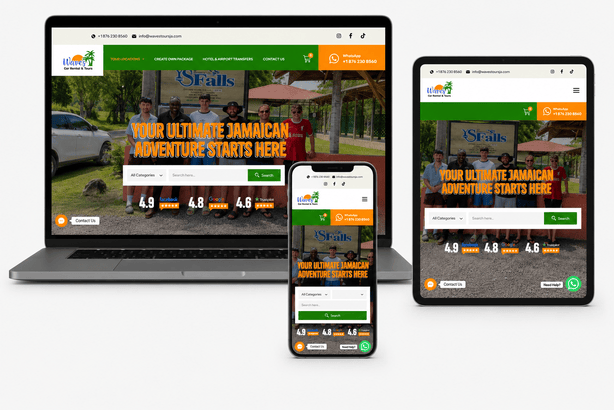
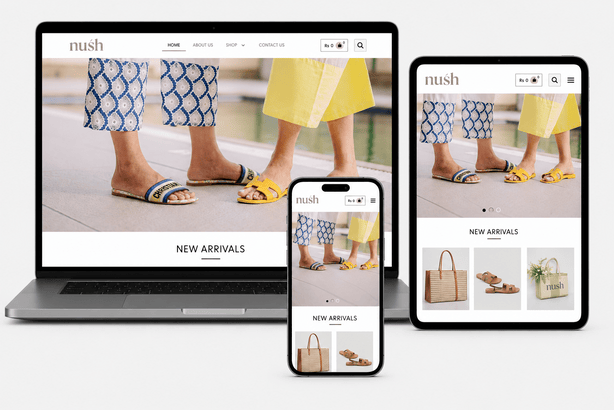
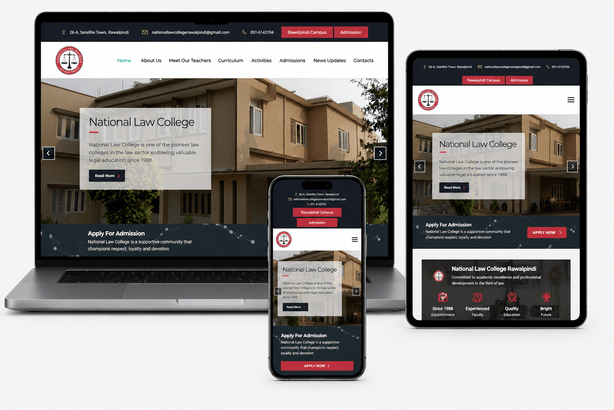
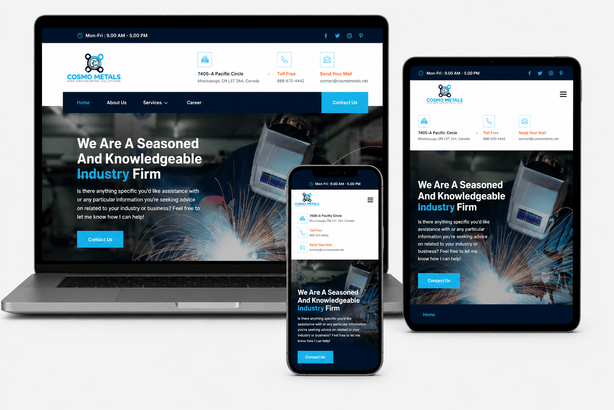
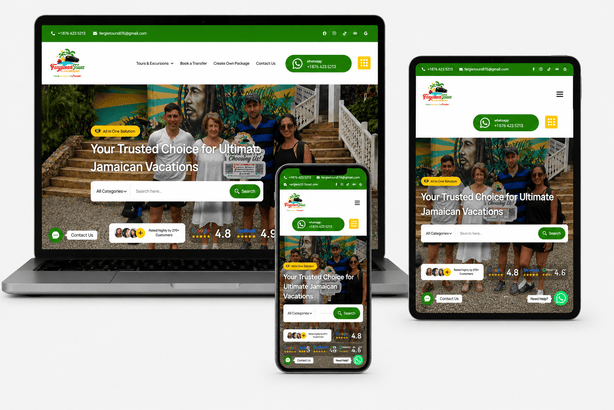
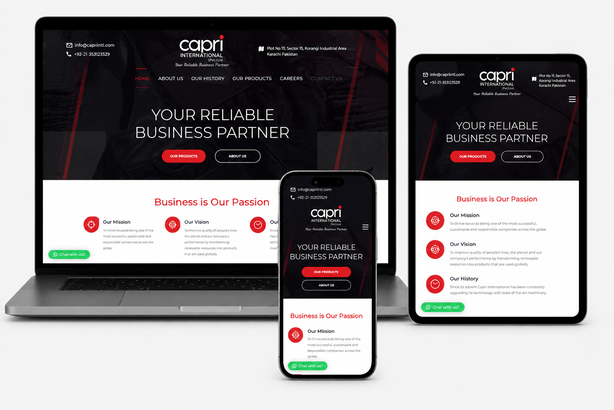
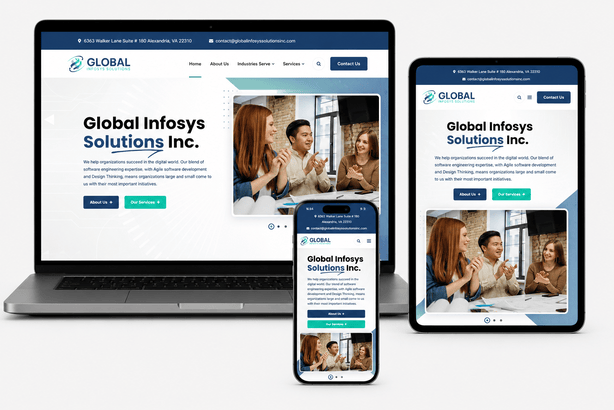
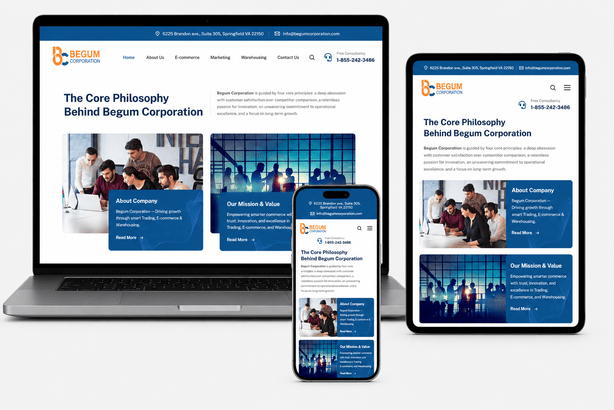
Simple, accessible designs for field apps, organisation websites, portals and online stores in Quetta and Balochistan.
Updated October 2026 · By the ItsWebExpert team
Digital products used in Balochistan must work for a wide range of people and conditions: field staff in remote areas, users on slow connections and audiences reading in Urdu, Pashto or Balochi. Good design makes these products usable for everyone.
We design simple, clear interfaces: offline-friendly field forms, lightweight websites, accessible portals and straightforward online stores. Each design is prototyped in Figma and tested with representative users.
We work remotely and hand over developer-ready designs to your team or ours.
For offline apps.
For slow networks.
For local languages.
For organisations.
Designs that look good in an office can fail in the field. Bright sunlight, gloves, low battery, slow networks and interruptions all affect how people use apps. We design with these conditions in mind: high contrast, large touch targets, saved progress and minimal data use.
Testing with real users in realistic scenarios reveals problems early, when they are easy to fix.
Simple language, icons with labels and local-language options help users of all backgrounds complete tasks confidently.
Many users in Balochistan access the web on older phones, under bright sunlight or with limited data. Designs that rely on light-grey text, thin fonts or heavy images become unreadable or slow in these conditions. We test colour contrast, use larger default text sizes, keep images compressed and avoid unnecessary animations. For field apps, we add offline indicators so users always know whether their data has been saved and synced. These choices make products usable for everyone, from field officers and patients to customers ordering dry fruits from another city, and they also tend to improve search performance because faster, clearer pages keep visitors engaged.
UI/UX design for Quetta and Balochistan projects often centres on field apps, organisation websites and simple stores. Costs depend on forms, screens and languages. We quote after a requirements session.
Typical timelines:
Testing designs in real field conditions, such as sunlight and weak signal, is the best way to confirm they work before development.
Six things we treat as non-negotiable on every project, not add-ons you have to ask for.